An orientation manual for systems subverters.
The product is the utility. The orientation is the brand.
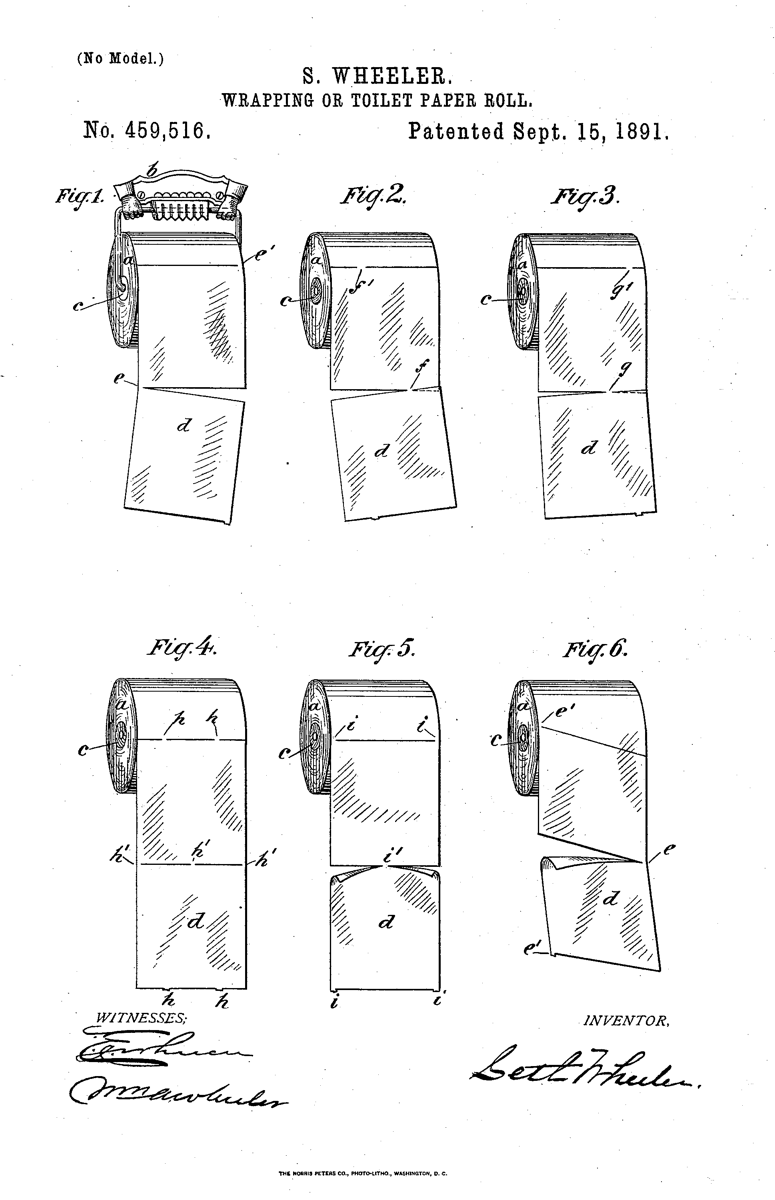
Seth Wheeler, U.S. Patent No. 459,516, granted September 15, 1891 in Albany, New York. The patent drawings show a perforated paper roll mounted on a spindle fixture, the loose sheet feeding away from the wall and dropping forward into the user's hand. Wheeler labeled Figure 1 with the orientation flowing over the top of the spool. He drew the answer into the geometry of the device. The first user of the first roll had nothing to decide.
Intent ships in the drawing. The orientation is engineered into the fixture and stops being negotiable at install. A choice that disappears into the mechanism stops being a choice. Build the answer into the artifact.
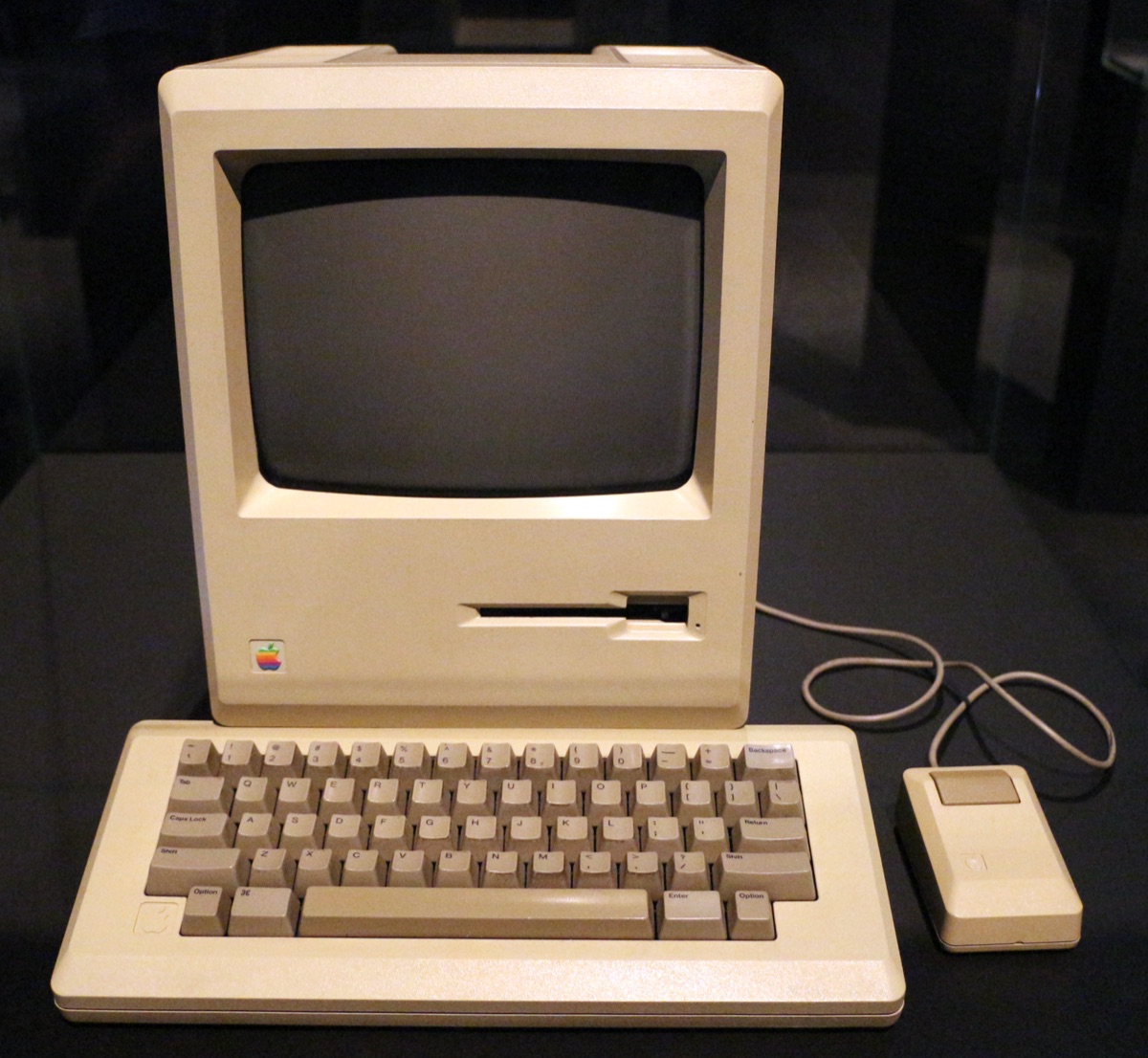
Apple Macintosh, January 24, 1984. Steve Jobs lifted the unit out of a fabric bag and let it draw itself onstage. Until that morning, opening a file meant typing COPY A:\REPORT.DOC B:\ at a blinking cursor and remembering the syntax under deadline. The Mac showed a folder, a sheet of paper, and a trash can. The user pointed, and the machine moved. The interface stopped asking the audience to memorize the machine.
Memorization is a tax on the audience. Visible affordances move the cognitive load from the user back to the designer where it belongs. When the interface resembles the thing it controls, instruction collapses into recognition. Hand them the mouse.
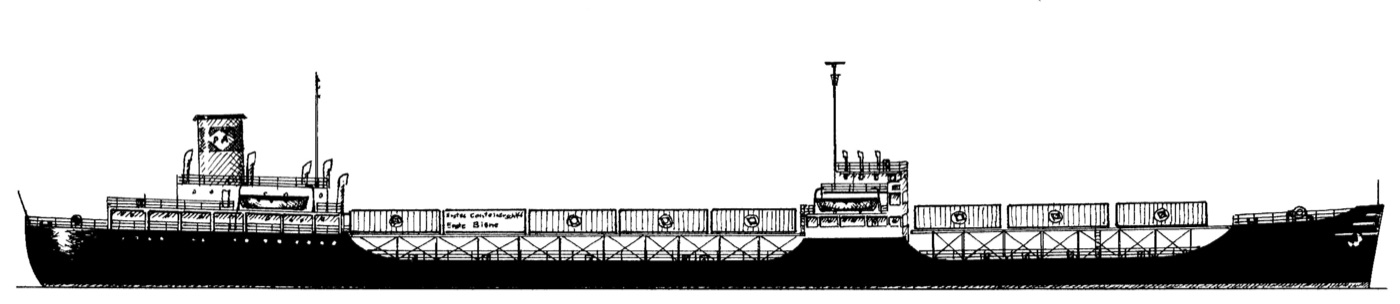
Malcolm McLean, SS Ideal-X, April 26, 1956. Newark to Houston, fifty-eight steel boxes welded to the deck of a converted tanker — each box a sealed truck body lifted off a chassis by crane. Breakbulk cargo had taken a week to load and lost a third of the manifest to pilferage. After McLean, nine longshoremen moved more tonnage in an hour than a hundred had moved in a day. The ships, the cranes, the chassis became interchangeable around the box.
A swappable unit decouples the cargo from the vehicle. The fixture stops dictating the payload and starts serving it. Standardize the unit, and every machine around it learns to move it. Define the box before designing the network.
Hanging under creates a thousand tiny cuts. A culture designed for its own convenience.
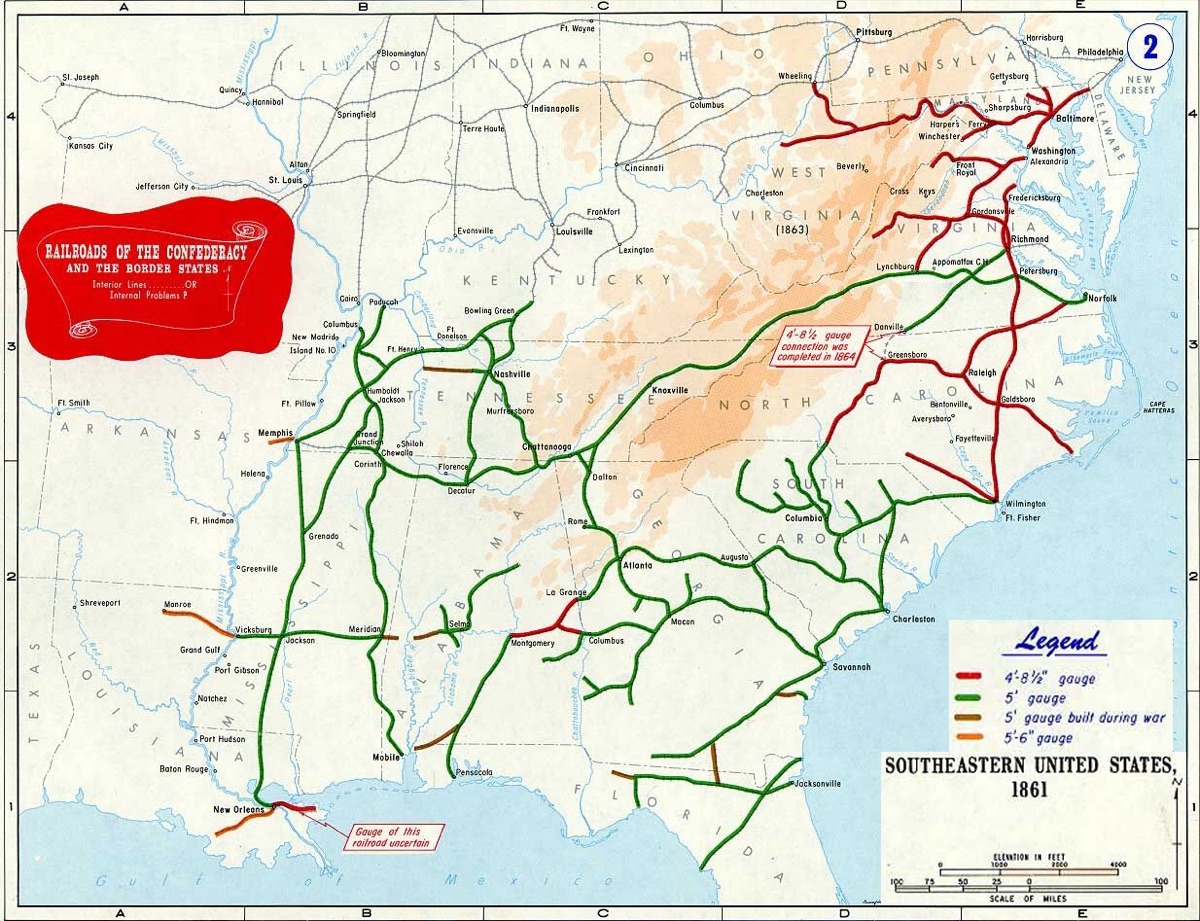
The American railroad gauge wars, 1830s through 1886. By 1860 the United States ran more than a dozen track gauges — 4'8.5" across the North, 5' across most of the South. Rolling stock could not cross network boundaries. Each transfer point became a forced transshipment fee. On May 31 and June 1, 1886, the Southern roads narrowed 11,000 miles of track in roughly thirty-six hours to match the Northern standard. The lockouts ended the day the gauge stopped being a moat.
Friction can be the business model. A non-standard interface fences in the customer and converts inconvenience into margin. Standardization breaks the moat in a single weekend once the math turns. The fence is the product until the day the fence falls.
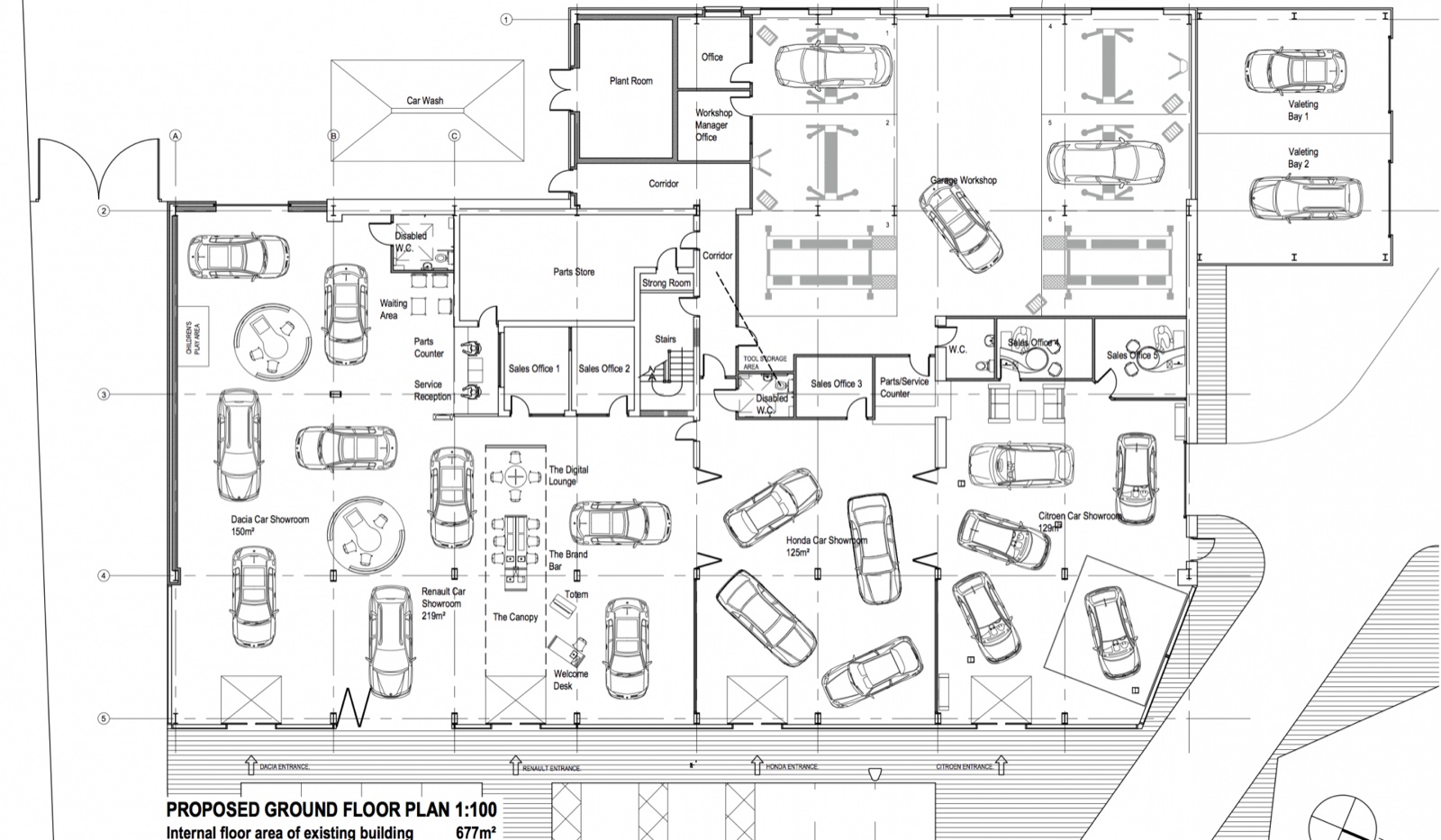
The American car dealership, post-war floor plan, 1950 to 1975. The showroom faced the street: chrome, sunlight, the new model spotlit on a slow turntable. The closing room sat at the back — fluorescent light, no windows, a single desk between the customer and the manager. The salesman left to "talk to the manager" for forty-five minutes at a stretch — the T.O., the turnover — while the customer's resolve cooled and the financing terms hardened. The architecture engineered the wait. The wait engineered the markup.
A floor plan can ration access to information. Drag, asymmetry, and isolation are design choices, executed in plaster and fluorescent light. The system buys margin by spending the customer's time. Read every waiting room as a P&L line.
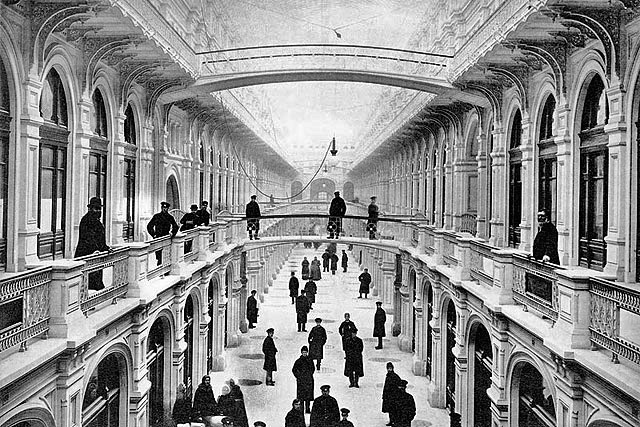
GUM Department Store, Red Square, Moscow, operating standard 1953 to 1990. A shopper found the bread counter and queued at Window One to name the order. The clerk wrote a slip and stamped it. The shopper carried the slip to Window Two — the kassa — to pay the cashier. The receipt came back stamped twice. The shopper carried it to Window Three to collect the bread. The audit trail was perfect. The transaction took the morning.
A system designed to audit itself stops serving the user. Each handoff is a checkpoint for the institution and a tax on the citizen. When the bureaucracy is the customer, the public becomes the cost center. Cut the checkpoints or the queue eats the day.
The Over orientation creates negative space. The gap is where the friction dies.
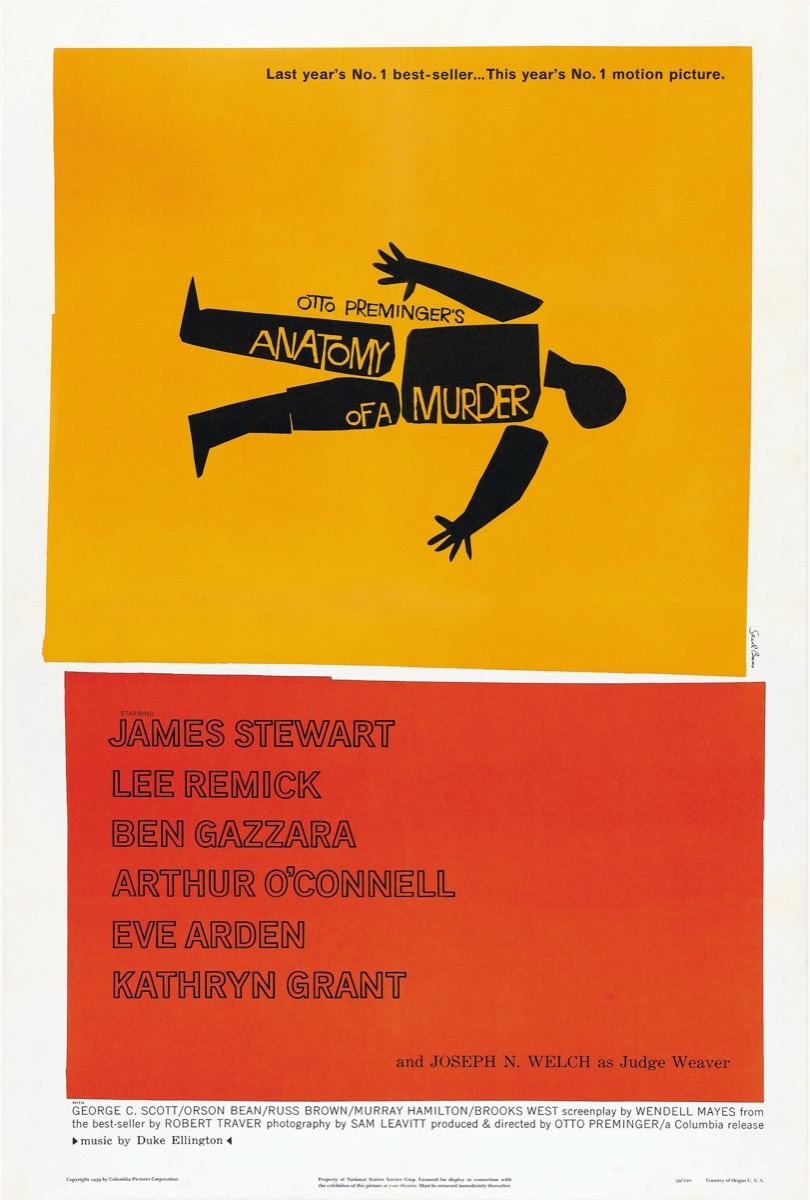
Saul Bass, Anatomy of a Murder one-sheet, 1959. Otto Preminger asked for a courtroom drama treatment. Bass cut a black silhouette of a corpse into six jagged pieces, laid them across a warm-yellow field, and set the title in tight black sans at the foot. The dismembered figure floated in a sea of negative ground. The eye solved the body, found the title, read the year. The empty yellow did more narrative work than the figure.
A void is a direction. Surrounding empty space is the framework that focuses attention onto the chosen mark. Subtract the chrome, and the remaining element gains structural weight. Set one thing on the page. Let the silence carry the load.
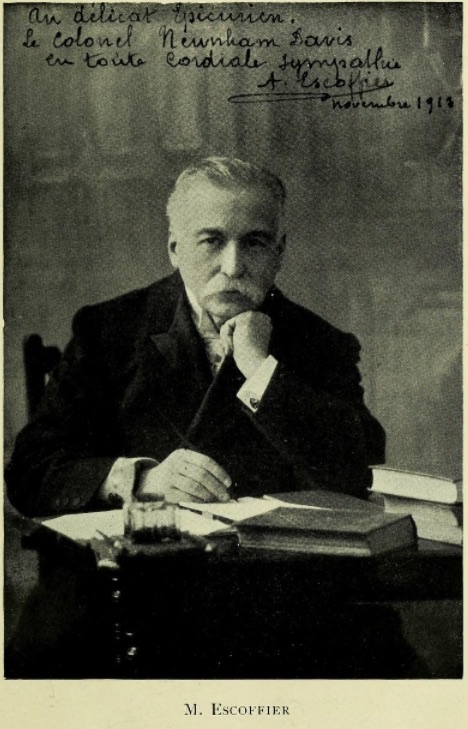
Auguste Escoffier, Savoy Hotel kitchen, London, 1890s. Escoffier inherited a chaotic line where one cook ran a dish from raw ingredient to plate while service piled up. He split the brigade into stations — saucier, poissonier, garde manger, pâtissier — and required each station to lay out every component before the first ticket fired. Knives sharpened. Stocks reduced. Garnishes portioned and covered. When the orders fired, the cook assembled what was already prepared. Service ran at the speed of plating.
Pre-staging removes the chaos before the rush arrives. Each isolated component is one fewer decision to make under pressure. A workspace built for the fight feels effortless during the fight. Stage the field. Then cook.
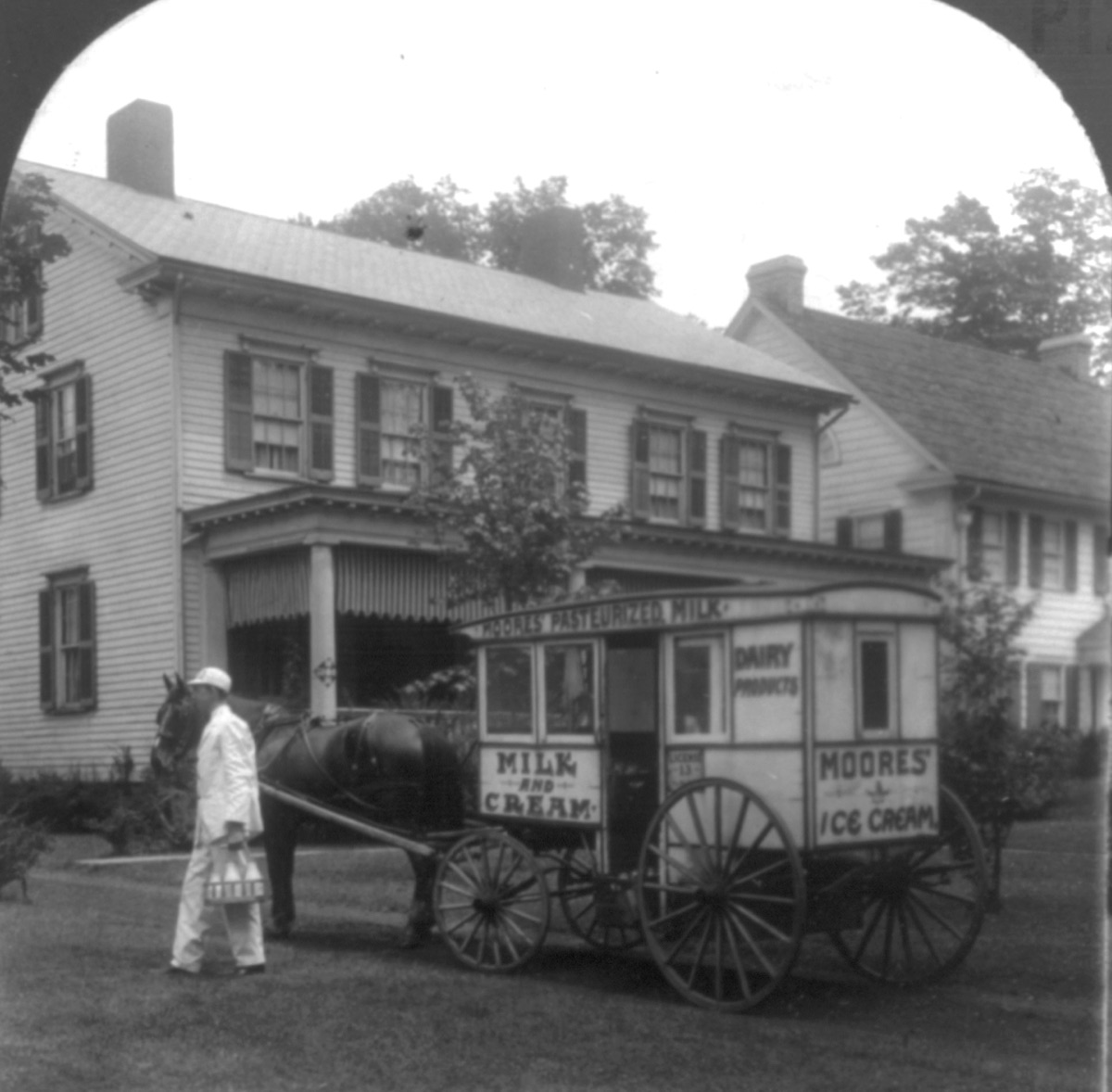
The American urban milkman, roughly 1900 to 1955. A horse-drawn wagon — later an electric milk float — rolled down the residential block before dawn. The milkman lifted glass bottles from the wagon to the porch box, took the empties, marked the household ledger. No storefront. No transaction at the moment of need. The household woke to milk already there, and paid weekly by leaving a chit and coins inside an empty bottle. Delivery sat inside the routine of waking up.
The last node of distribution belongs to the user's habits. Embedding supply into a routine the user already runs collapses the cost of the transaction toward zero. The household never went shopping for milk. The milk found the household.
The book ends where it began.
The utility was delivered.
The friction was cut.
The orientation held.
Set in IBM Plex Sans, Plex Serif, and Plex Mono. Composed on a 12-column grid against a warm-paper ground. Reference register draws from Saul Bass, Massimo Vignelli, Otl Aicher, Rem Koolhaas, John Berger, and Marshall McLuhan.
Spread structure follows the ShurIQ book method, v0.2: POSTER / PROOF / MECHANICS, three phases, nine spreads, no scaffolding prose.
Historical artifacts sourced from Wikimedia Commons under public-domain or compatible free licenses.